Cuba.
Colour in the streets. Stories in the squares.
An island to understand, not simply pass through.
Look closer. Listen longer.
Cuba’s appeal reaches beyond classic cars and colourful facades. Architecture, music, agricultural landscapes, and conversations can all help you understand the island more fully.
Respect the people behind the scenery. Ask before photographing someone, pay fairly for agreed services, and avoid treating present-day hardship as part of a romantic “step back in time.”
Begin with the capital.
Old Havana’s historic streets and plazas offer a starting point for understanding the city’s layers. A knowledgeable guide can add context that a quick photo stop misses.
Choose a manageable walking area and confirm which cultural venues are operating. Leave time for breaks rather than trying to cover the whole city at once.
Change the scale.
Viñales Valley is known for its striking limestone hills, called mogotes, and agricultural landscape. It offers a different setting from the capital’s streets.
Treat a visit as a chance to learn about the landscape and rural life. Confirm transport and local arrangements before adding it to your route.
Follow another story.
Trinidad and the Valley de los Ingenios preserve important evidence of Cuba’s colonial and sugar-industry history. That story includes the exploitation of enslaved people, not only attractive architecture.
Allow enough time to explore with context. Trinidad is a separate base to plan carefully, rather than an automatic extra on a short Havana visit.
When should you consider going?
November to April.
This is generally the drier period, with lower humidity and less rain than the wet season. Weather alone is not a reason to book: operating conditions and current travel advice come first.
May to October.
Expect more humidity, rain, and thunderstorms. The Atlantic hurricane season runs June through November; build weather flexibility into future plans and understand cancellation terms.
Confirm what is running.
Ask about your flights, transfers, accommodation, and planned activities. Check again close to departure. A destination’s usual season does not guarantee dependable services.
Where to base your visit.
These are planning comparisons, not endorsements of individual properties. Travelers subject to U.S. rules must screen accommodation and transactions against current restrictions.
| Base | Why consider it? | What to confirm |
|---|---|---|
| Havana | A culture-focused introduction with historic streets and guided neighbourhood exploration. | Exact location, recent operating updates, water availability, stairs, and power arrangements. |
| Viñales | Landscape-focused days and a chance to learn about rural life. | Transport reliability, guide arrangements, walking conditions, and which activities are available. |
| Trinidad | A separate historic-city base for a longer, deliberately paced trip. | The length and practicality of transfers and time needed to return for your flight. |
| A casa particular | A privately run guesthouse or homestay-style accommodation; facilities vary. | Private bathroom, meals, cooling, accessibility, backup supplies, payment terms, and legal eligibility. |
Ask specific questions. “We have a generator” does not establish how long backup electricity is available or which facilities it powers.
Getting around thoughtfully.
Arrange the first transfer.
Confirm your arrival arrangements, meeting point, price, and a backup contact before departure. Save them offline. Verify that the transport provider is legitimate rather than accepting an unsolicited offer.
Keep the route realistic.
Confirm the operator, operating schedule, fuel arrangements, luggage allowance, and cancellation terms. Do not book a tightly timed connection after an uncertain road journey.
For a short trip, one dependable base can be more useful than an ambitious loop.
Walk selectively.
Choose short routes suited to the weather and your mobility. Uneven streets call for comfortable footwear. Arrange trusted transport for evenings and keep an offline copy of your accommodation address.
If considering a classic-car outing, clarify the route, duration, total price, and vehicle suitability before agreeing.
Food, music & conversation.
Ask what is available.
Cuba’s cuisine reflects multiple cultural influences. A privately run restaurant, often called a paladar, can be a place to ask about local dishes and their preparation.
Availability varies. Explain allergies clearly, ask about ingredients, and be flexible about menu choices rather than assuming every listed dish can be served.
Listen with context.
Consider a properly arranged music lesson, artist conversation, or cultural visit when available and appropriate to your trip. Ask questions, respect people’s time, and clarify any charge.
For U.S.-regulated travel, a cultural activity is not automatically sufficient to make an itinerary authorized.
Take a thoughtful pause.
Coffee is part of Cuba’s food and drink culture. Use a café stop to slow the pace, ask a question, or simply notice your surroundings.
Order the coffee style you actually enjoy and confirm what is available. You do not have to love every local specialty to appreciate a place.
Three days based in Havana.
This is a geographic and cultural outline for future planning when conditions permit. It is not a U.S. sanctions-compliant itinerary or proof that a trip qualifies for authorization.
A measured introduction.
Morning: Meet your confirmed guide for a focused Old Havana walk. Choose a small number of streets and plazas and ask about the city’s history and daily life.
Afternoon: Take a lunch break and visit one operating cultural venue. Confirm opening arrangements before arriving.
Evening: Keep dinner near your accommodation and arrange your return transport.
People, art & context.
Morning: Arrange a substantive visit with an artist, musician, or independent business where appropriate and available.
Afternoon: Continue with another neighbourhood or history-focused visit rather than repeating the same sightseeing loop. Leave room for delays.
Evening: Choose a confirmed cultural performance or a quiet meal, subject to conditions and your travel authorization.
One final chapter.
Morning: Choose a final guided visit or return to a place you wanted more time to understand.
Afternoon: Prepare for departure or keep the time available for disrupted plans. Confirm your next transfer directly.
More days? Consider Viñales or Trinidad only after checking whether the route, services, and your travel arrangements support it.
Money, connectivity & daily essentials.
Plan payments before arrival.
Do not rely on international cards or an ATM withdrawal as your backup. Current UK guidance reports international card acceptance has ceased. Confirm available lawful payment options with your provider and bank, and work out how to cover essential expenses before traveling.
Use authorized exchange channels. Clarify the currency, amount, and payment method for each booking; avoid building a budget around an unofficial exchange quote.
Prepare to be offline.
Save addresses, maps, confirmations, and contacts before departure. Ask about connectivity at your accommodation and how to reach your provider if mobile service is interrupted.
Before committing:
- Check government advice, entry documents, and any authorization that applies to you.
- Confirm insurance coverage for your destination and circumstances.
- Ask about safe drinking water and current accommodation services.
- Carry necessary personal supplies and charging equipment.
- Keep copies of bookings and a realistic contingency budget.
- Leave a practical buffer around your return flight.
Before you go.
Can Americans visit Cuba?
Some travel is authorized, but tourist travel is prohibited for people subject to U.S. jurisdiction, including U.S. citizens and residents. A permitted category has specific conditions. Check the current OFAC guidance and restrictions before making reservations; do not rely on the label a tour uses.
What documents should I arrange?
Confirm the passport, visa or eVisa, arrival declaration, insurance, and onward-travel requirements that apply to your nationality and route. Save the required confirmations offline. Entry permission and U.S. travel authorization are separate issues.
Should I book a guided trip?
A knowledgeable provider can help with context and logistics. Ask how disruptions are handled and what is actually included. A guide or package does not remove your responsibility to meet the rules applying to your travel.
Is this a beach-holiday guide?
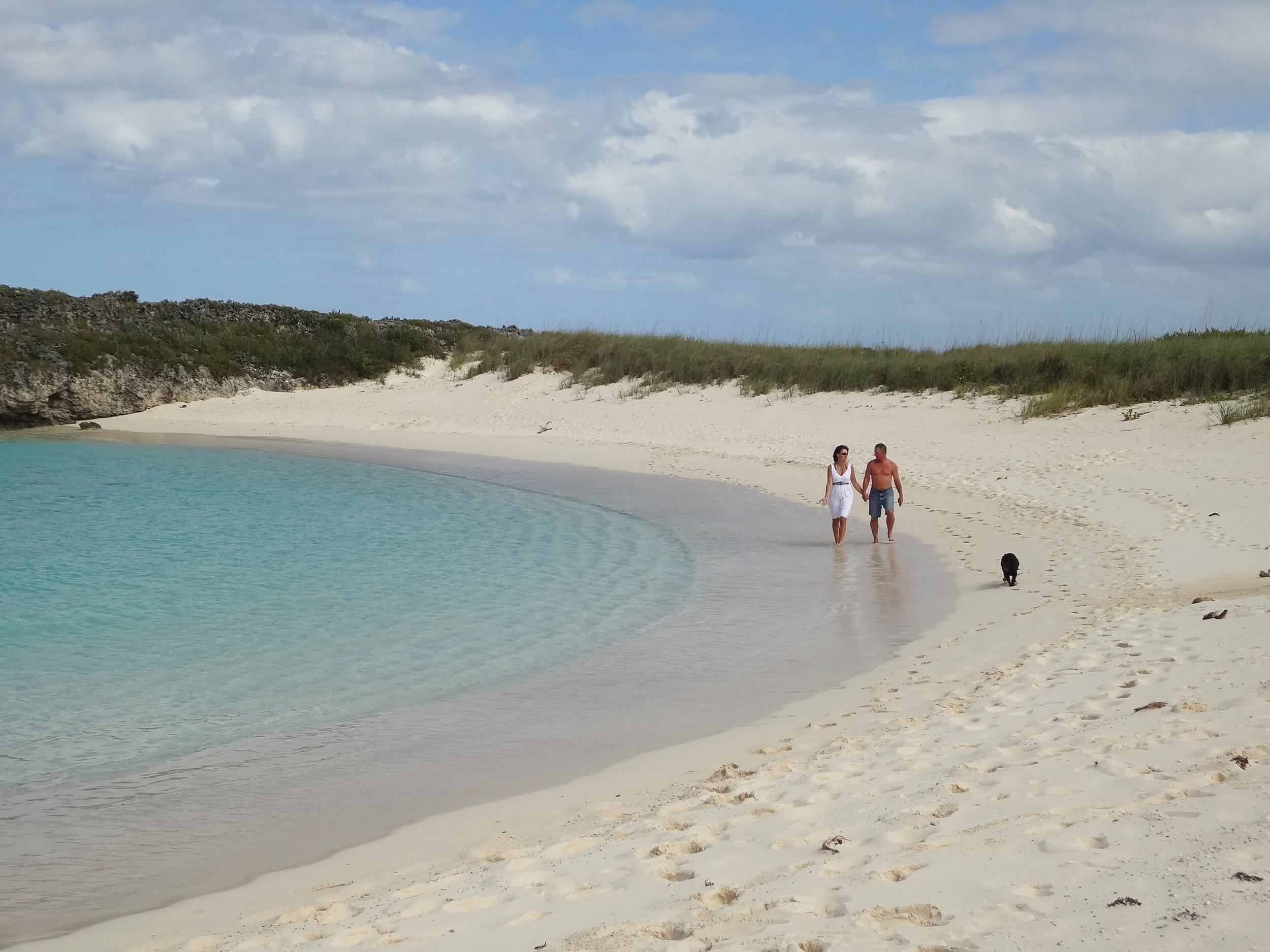
No. This page focuses on cultural and historical understanding. Beach destinations may suit some international travelers, but leisure travel cannot simply be relabeled as an authorized U.S. trip.
How should I take photographs respectfully?
Ask before photographing people or their homes and clarify any requested fee. Respect restricted areas and local instructions. Aim to document your experience without turning someone else’s difficulty into a prop.
How do I budget?
Use current written quotes, including transfers, meals, guide fees, and contingencies. Confirm payment methods and cancellation terms. A low room rate is not a bargain if essential services or reliable transport are unavailable.

More know-how.
Wherever you go.
Discover over 2,000 travel tips, tricks, and hacks in DeBora Rachelle’s practical travel companion.
Explore the book